Buy torf.eu ?
We are moving the project
torf.eu .
Are you interested in purchasing the domain
torf.eu ?
domain@kv-gmbh.de · 0541-91531010
Buy torf.eu ?
What is the difference between organic and eco-friendly products?
Organic products are made from ingredients that are grown without the use of synthetic pesticides, herbicides, or fertilizers, and are often certified by a regulatory body. Eco-friendly products, on the other hand, are designed to have minimal impact on the environment throughout their entire lifecycle, from production to disposal. While organic products focus on the natural ingredients used, eco-friendly products consider the overall environmental impact of the product. In essence, organic products focus on the ingredients, while eco-friendly products focus on the entire product lifecycle. **
How is peat soil used?
Peat soil is used in gardening and agriculture as a soil amendment to improve soil structure and water retention. It is also used as a growing medium for starting seeds and rooting cuttings due to its ability to hold moisture and provide a stable environment for plant roots. Additionally, peat soil is used as a fuel source in some regions, particularly in areas where other sources of fuel are scarce. However, the use of peat as a fuel source is controversial due to its impact on the environment and carbon emissions. **
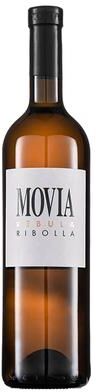
Similar search terms for Movia-Rebula-Ribolla-2022
Top-Angebote
Products related to Movia-Rebula-Ribolla-2022:
-
Ribolla Gialla 'Etichetta Nera' Movia 2023The Ribolla Gialla Movia ‘Etichetta Nera’ represents a full and mineral expression of the winemaking tradition of the Slovenian Collio, locally called Goriška Brda. This wine region is located in the westernmost part of Slovenia, bordering Friuli-Venezia Giulia, and is influenced by the concurrent effects of the Julian Alps and the Adriatic Sea, elements that contribute to the peculiar microclimate highly suited for quality viticulture. The grape varieties traditionally cultivated are the same as those in the Friulian Collio, namely Malvasia Istriana, Terrano, Refosco dal Peduncolo Rosso, Friulano, and, of course, Ribolla Gialla, alongside the international varieties Pinot Grigio, Chardonnay, and Sauvignon Blanc. ‘Etichetta Nera’ Movia Ribolla Gialla is made from only grapes of the same-named white variety hand-picked at the end of September. In the winery, the bunches are selected, destemmed, and subjected to a cold pre-fermentation maceration for 18 hours. This is followed by soft pressing and alcoholic fermentation of the must conducted by indigenous yeasts, with the subsequent phase of maturation that takes place for 8 months on the fine lees, with 50% of the mass in oak barrels and the remaining half in stainless steel tanks. The Ribolla Gialla ‘Etichetta Nera’ from the Slovenian winery Movia is a bright straw-yellow color tending towards golden. On the nose, intriguing and complex sensations of tropical fruit, yellow apple, peach, white plum, flowers, citrus, herbal notes, and anise are perceived, combined with evocative hints of iodine. The taste reveals notable freshness and sapidity, elements that balance the richness of the body, making the progression taut and persistent on fruity and mineral perceptions consistent with the olfactory experience. A tasty Ribolla Gialla already enjoyable in youth, yet also capable of sustaining a further prolonged aging in the bottle.25,00 £*Shipping: 48,00 £Secure redirect to the provider
-
Ribolla Gialla 'Etichetta Bianca' Movia 2025Ribolla Gialla “Etichetta Bianca” by Movia is an orange wine with a creamy and seductive texture, without giving up the salty finish that characterizes the local whites. When you say Slovenia, you can only think of one of the most revered treasures by wine enthusiasts, especially artisanal ones, and the families that have made this immediate identification possible. Among these, without a doubt, is the name Movia, which has been cultivating vineyards in this stunning enclave since 1820, preserving typical local varieties such as Ribolla, and other international ones that have now become an integral part of the local ampelography like Chardonnay, Pinot Grigio, Merlot, and Cabernet Sauvignon, all united by the use of respectful agriculture that does not involve any chemical or synthetic substances. The winery's signature, recognizable, is characterized by full maturations and soft liquids, where the deep saline texture imparted by the area is not lacking. The “Etichetta Bianca” Ribolla Gialla is obtained from pure grapes of the same name, from a selection of vines that are over 45 years old and are harvested late. In the vineyard, as already mentioned, no substances are used except a bit of copper and sulfur, while in the winery, long spontaneous alcoholic fermentations take place in contact with the skins (the longest maceration of the produced Rebula) and aging for 24 months in French barriques. The Rebula “Etichetta Bianca” fills the glass with its intense golden color edged with orange reflections. A very rich and kaleidoscopic nose, with hints of honey, orange peel, balsamic notes, and salty puffs, which draws a cohesive and highly complex profile. The sip is no less, intense and filling despite a contained alcohol content, and it knows how to reach every area of the palate thanks to its saline texture of a champion. Multifaceted.23,00 £*Shipping: 48,00 £Secure redirect to the provider
-
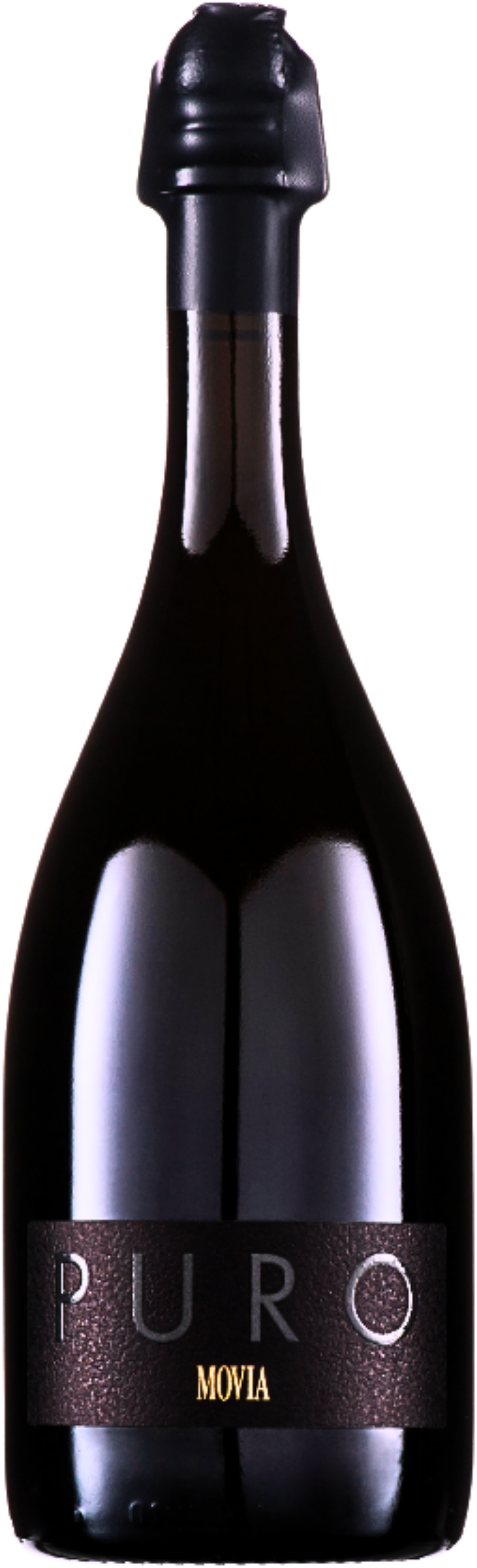
Spumante 'Puro' Movia 2022The "Puro" by Movia is an eternal sparkling wine, an assimilator of energy over time and with the desire to remain constantly alive. The Chardonnay and Ribolla Gialla grapes used to produce the sparkling wine grow on Flysch soils of Collio, with layers of marl and sandstone. The "Puro" is born from the late and manual harvest of grapes, which spend a very short time from the vineyard to the winery. The alcoholic fermentation is initiated using only indigenous yeasts, with a one-day skin maceration followed by a gentle pressing of the fermenting must, which is then completed in barrique. The wine from the two grape varieties rests in wooden containers for 4 years to reach full maturity, healthiness, and stability. Once blended, the wine is bottled and the refermentation occurs with the sole addition of must from the same grapes and its indigenous yeasts. After a maturation period of 2 years on the lees, there is no disgorgement nor dosage by the winery. The structure of this incredible sparkling wine is continuously supported by the aging on the lees that occurs constantly over time as the bottle rests upside down on itself. This choice allows for a continuous dialogue between the wine and its sediments. It does not age and renews itself. Particularity to emphasize: continue to store the sparkling wine upside down. Before serving, one must ensure it is properly chilled. After that, one should equip themselves with a bucket of ice water in which to perform a true disgorgement by immersing the neck of the bottle upside down. In this way, the cork will be expelled, with a little help from the hand, and all possible sediments will be eliminated. Attention, once opened, it only takes a brief moment for the bottle to remain upside down in the water to eliminate the residue; after that, service can begin. Steady hand! The "Puro" appears pale yellow with a beautiful perlage and is characterized by coppery hues. On the nose, it is harmonious, with fruity sensations and saline hints. On the palate, it is fresh, dry, and the memory of marine minerality is almost alive. Observe things from a different perspective. Where there is the end of the life cycle, the "Puro" begins to explode.35,00 £*Shipping: 48,00 £Secure redirect to the provider
-
Is organic sustainable?
Organic farming practices can be more sustainable than conventional methods in terms of reducing chemical inputs, promoting biodiversity, and improving soil health. However, there are challenges to the scalability and efficiency of organic farming, which can impact its overall sustainability. For example, organic farming typically requires more land and labor to produce the same amount of food as conventional methods, which can limit its ability to meet global food demand. Additionally, the transportation and distribution of organic products can have a higher environmental impact due to their shorter shelf life and the need for refrigeration. Overall, while organic farming has many sustainable benefits, there are also limitations to its long-term sustainability on a large scale. **
-
What is the difference between potting soil, peat soil, vegetable soil, and grave soil?
Potting soil is a general-purpose soil mix that is suitable for growing a wide variety of plants in containers. It is typically a blend of organic materials such as peat moss, compost, and perlite or vermiculite for drainage. Peat soil, on the other hand, is made primarily of decomposed sphagnum moss and is often used to improve soil structure and water retention in garden beds. Vegetable soil is specifically formulated for growing vegetables and typically contains a balanced mix of nutrients and organic matter to support healthy vegetable growth. Grave soil, also known as topsoil, is a general-purpose soil used for filling in garden beds, leveling the ground, or creating new planting areas. It is typically a mix of sand, silt, and clay with added organic matter. **
-
What is the fear of climate change in 2022?
The fear of climate change in 2022 is driven by the increasing frequency and intensity of extreme weather events, such as heatwaves, hurricanes, and wildfires, as well as the ongoing loss of biodiversity and rising sea levels. There is also concern about the potential for irreversible damage to ecosystems and the impact on food and water security. Additionally, there is growing anxiety about the social and economic disruptions that climate change may bring, particularly for vulnerable communities. Overall, the fear of climate change in 2022 is rooted in the urgent need for global action to mitigate its effects and adapt to the changes already underway. **
-
Why does the EU classify nuclear power and gas as sustainable and climate-friendly?
The EU classifies nuclear power and gas as sustainable and climate-friendly because they are considered low-carbon energy sources. Nuclear power does not produce greenhouse gas emissions during electricity generation, and gas emits less carbon dioxide compared to coal when burned for energy. Additionally, the EU sees these energy sources as important for transitioning away from more carbon-intensive fuels and reducing overall greenhouse gas emissions. However, there is ongoing debate and controversy surrounding the sustainability and safety of nuclear power, as well as concerns about methane emissions from gas production and transportation. **

Why don't eco-friendly women shave?
Eco-friendly women may choose not to shave for a variety of reasons related to sustainability and environmental impact. Shaving requires the use of disposable razors, which contribute to plastic waste in landfills. Additionally, the production and transportation of shaving products can have a significant carbon footprint. By opting not to shave, eco-friendly women can reduce their personal contribution to waste and carbon emissions, aligning with their values of environmental conservation. **
Which eco-friendly diapers are the best?
The best eco-friendly diapers are those that are made from sustainable materials such as bamboo, organic cotton, or plant-based fibers. Brands like Bambo Nature, Eco by Naty, and Seventh Generation are popular choices for their commitment to using environmentally friendly materials and reducing their carbon footprint. It's important to look for diapers that are free from harmful chemicals, dyes, and fragrances to ensure they are safe for both your baby and the environment. Ultimately, the best eco-friendly diaper will depend on your personal preferences and values, so it's worth trying a few different brands to see which one works best for you and your baby. **
Top-Angebote
Products related to Movia-Rebula-Ribolla-2022:
-
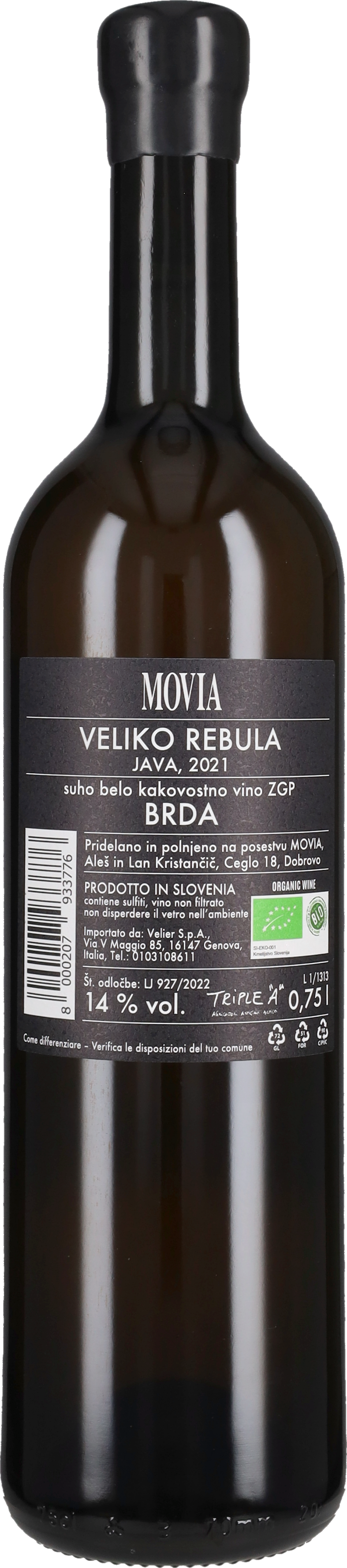
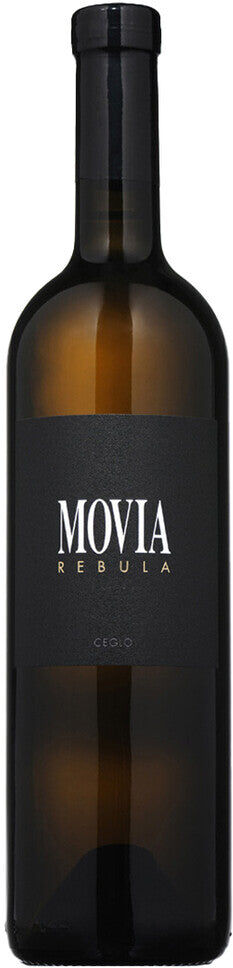
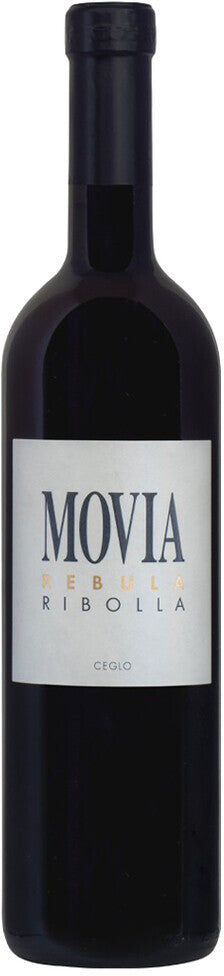
"""Movia Rebula Ribolla 2022 White Wine - Slovenia""""""It shows an extractive, golden yellow color with an amber hue and a dense texture. The bouquet evokes ripe red apple, apricot, yellow fig, yellow plum, orange peel, papaya, star fruit and yellow rose. Note of herbs reveals rosemary, anise,..."32,99 $*Shipping: 0,00 $Secure redirect to the provider
-
"""Movia Rebula Ribolla 2023 White Wine - Slovenia""""""Movia Rebula Ribolla shows an extractive, golden yellow color with an amber hue and a dense texture. The bouquet evokes ripe red apple, apricot, yellow fig, yellow plum, orange peel, papaya, star fruit and yellow rose. Note of herbs reveals..."40,99 $*Shipping: 0,00 $Secure redirect to the provider
-
Ribolla Gialla 'Etichetta Nera' Movia 2023The Ribolla Gialla Movia ‘Etichetta Nera’ represents a full and mineral expression of the winemaking tradition of the Slovenian Collio, locally called Goriška Brda. This wine region is located in the westernmost part of Slovenia, bordering Friuli-Venezia Giulia, and is influenced by the concurrent effects of the Julian Alps and the Adriatic Sea, elements that contribute to the peculiar microclimate highly suited for quality viticulture. The grape varieties traditionally cultivated are the same as those in the Friulian Collio, namely Malvasia Istriana, Terrano, Refosco dal Peduncolo Rosso, Friulano, and, of course, Ribolla Gialla, alongside the international varieties Pinot Grigio, Chardonnay, and Sauvignon Blanc. ‘Etichetta Nera’ Movia Ribolla Gialla is made from only grapes of the same-named white variety hand-picked at the end of September. In the winery, the bunches are selected, destemmed, and subjected to a cold pre-fermentation maceration for 18 hours. This is followed by soft pressing and alcoholic fermentation of the must conducted by indigenous yeasts, with the subsequent phase of maturation that takes place for 8 months on the fine lees, with 50% of the mass in oak barrels and the remaining half in stainless steel tanks. The Ribolla Gialla ‘Etichetta Nera’ from the Slovenian winery Movia is a bright straw-yellow color tending towards golden. On the nose, intriguing and complex sensations of tropical fruit, yellow apple, peach, white plum, flowers, citrus, herbal notes, and anise are perceived, combined with evocative hints of iodine. The taste reveals notable freshness and sapidity, elements that balance the richness of the body, making the progression taut and persistent on fruity and mineral perceptions consistent with the olfactory experience. A tasty Ribolla Gialla already enjoyable in youth, yet also capable of sustaining a further prolonged aging in the bottle.25,00 £*Shipping: 48,00 £Secure redirect to the provider
-
What is the difference between organic and eco-friendly products?
Organic products are made from ingredients that are grown without the use of synthetic pesticides, herbicides, or fertilizers, and are often certified by a regulatory body. Eco-friendly products, on the other hand, are designed to have minimal impact on the environment throughout their entire lifecycle, from production to disposal. While organic products focus on the natural ingredients used, eco-friendly products consider the overall environmental impact of the product. In essence, organic products focus on the ingredients, while eco-friendly products focus on the entire product lifecycle. **
-
How is peat soil used?
Peat soil is used in gardening and agriculture as a soil amendment to improve soil structure and water retention. It is also used as a growing medium for starting seeds and rooting cuttings due to its ability to hold moisture and provide a stable environment for plant roots. Additionally, peat soil is used as a fuel source in some regions, particularly in areas where other sources of fuel are scarce. However, the use of peat as a fuel source is controversial due to its impact on the environment and carbon emissions. **
-
Is organic sustainable?
Organic farming practices can be more sustainable than conventional methods in terms of reducing chemical inputs, promoting biodiversity, and improving soil health. However, there are challenges to the scalability and efficiency of organic farming, which can impact its overall sustainability. For example, organic farming typically requires more land and labor to produce the same amount of food as conventional methods, which can limit its ability to meet global food demand. Additionally, the transportation and distribution of organic products can have a higher environmental impact due to their shorter shelf life and the need for refrigeration. Overall, while organic farming has many sustainable benefits, there are also limitations to its long-term sustainability on a large scale. **
-
What is the difference between potting soil, peat soil, vegetable soil, and grave soil?
Potting soil is a general-purpose soil mix that is suitable for growing a wide variety of plants in containers. It is typically a blend of organic materials such as peat moss, compost, and perlite or vermiculite for drainage. Peat soil, on the other hand, is made primarily of decomposed sphagnum moss and is often used to improve soil structure and water retention in garden beds. Vegetable soil is specifically formulated for growing vegetables and typically contains a balanced mix of nutrients and organic matter to support healthy vegetable growth. Grave soil, also known as topsoil, is a general-purpose soil used for filling in garden beds, leveling the ground, or creating new planting areas. It is typically a mix of sand, silt, and clay with added organic matter. **
Similar search terms for Movia-Rebula-Ribolla-2022
-
Ribolla Gialla 'Etichetta Bianca' Movia 2025Ribolla Gialla “Etichetta Bianca” by Movia is an orange wine with a creamy and seductive texture, without giving up the salty finish that characterizes the local whites. When you say Slovenia, you can only think of one of the most revered treasures by wine enthusiasts, especially artisanal ones, and the families that have made this immediate identification possible. Among these, without a doubt, is the name Movia, which has been cultivating vineyards in this stunning enclave since 1820, preserving typical local varieties such as Ribolla, and other international ones that have now become an integral part of the local ampelography like Chardonnay, Pinot Grigio, Merlot, and Cabernet Sauvignon, all united by the use of respectful agriculture that does not involve any chemical or synthetic substances. The winery's signature, recognizable, is characterized by full maturations and soft liquids, where the deep saline texture imparted by the area is not lacking. The “Etichetta Bianca” Ribolla Gialla is obtained from pure grapes of the same name, from a selection of vines that are over 45 years old and are harvested late. In the vineyard, as already mentioned, no substances are used except a bit of copper and sulfur, while in the winery, long spontaneous alcoholic fermentations take place in contact with the skins (the longest maceration of the produced Rebula) and aging for 24 months in French barriques. The Rebula “Etichetta Bianca” fills the glass with its intense golden color edged with orange reflections. A very rich and kaleidoscopic nose, with hints of honey, orange peel, balsamic notes, and salty puffs, which draws a cohesive and highly complex profile. The sip is no less, intense and filling despite a contained alcohol content, and it knows how to reach every area of the palate thanks to its saline texture of a champion. Multifaceted.23,00 £*Shipping: 48,00 £Secure redirect to the provider
-
Spumante 'Puro' Movia 2022The "Puro" by Movia is an eternal sparkling wine, an assimilator of energy over time and with the desire to remain constantly alive. The Chardonnay and Ribolla Gialla grapes used to produce the sparkling wine grow on Flysch soils of Collio, with layers of marl and sandstone. The "Puro" is born from the late and manual harvest of grapes, which spend a very short time from the vineyard to the winery. The alcoholic fermentation is initiated using only indigenous yeasts, with a one-day skin maceration followed by a gentle pressing of the fermenting must, which is then completed in barrique. The wine from the two grape varieties rests in wooden containers for 4 years to reach full maturity, healthiness, and stability. Once blended, the wine is bottled and the refermentation occurs with the sole addition of must from the same grapes and its indigenous yeasts. After a maturation period of 2 years on the lees, there is no disgorgement nor dosage by the winery. The structure of this incredible sparkling wine is continuously supported by the aging on the lees that occurs constantly over time as the bottle rests upside down on itself. This choice allows for a continuous dialogue between the wine and its sediments. It does not age and renews itself. Particularity to emphasize: continue to store the sparkling wine upside down. Before serving, one must ensure it is properly chilled. After that, one should equip themselves with a bucket of ice water in which to perform a true disgorgement by immersing the neck of the bottle upside down. In this way, the cork will be expelled, with a little help from the hand, and all possible sediments will be eliminated. Attention, once opened, it only takes a brief moment for the bottle to remain upside down in the water to eliminate the residue; after that, service can begin. Steady hand! The "Puro" appears pale yellow with a beautiful perlage and is characterized by coppery hues. On the nose, it is harmonious, with fruity sensations and saline hints. On the palate, it is fresh, dry, and the memory of marine minerality is almost alive. Observe things from a different perspective. Where there is the end of the life cycle, the "Puro" begins to explode.35,00 £*Shipping: 48,00 £Secure redirect to the provider
-
Ribolla Gialla Bastianich 2022Bastianich's Ribolla Gialla is a tribute to Collio Friulano and to this indigenous grape variety, typical of the border area between Friuli and Slovenia, which has become a symbol of the local winemaking tradition. The soils of Collio are enriched by the presence of 'ponca', a particular stratification of marl and sandstone that tends to disintegrate easily, giving rise to very granular mineral soils. In it dwells the secret of the distinct minerality of Collio's white wines, to which this Ribolla Gialla is no exception. Joe Bastianich planted the first vineyards here in 1997 and today his estate covers an area of 35 hectares under vine, divided into two different areas of the denomination. Sustainability is the criterion for working in the field, with the utmost respect for nature and the environment. The decision to focus particularly on native varieties is a consequence of this vision. The Ribolla Gialla white wine is made from the grapes of the same name, harvested by hand, while an initial selection of the best bunches is carried out in the cellar. Fermentation takes place in stainless steel tanks, as does maturation for 6 months on the fine lees, stirred weekly through the practice of batonnage. All this is done to allow the vine to best express its typical, fresh personality. The Ribolla Gialla Bastianich is characterised by an aromatic bouquet that veers towards floral and fruity hints of citrus and yellow-fleshed fruit, with a clear and perpetual mineral background that clearly reveals its place of origin. On the palate, this minerality is clearly perceptible and materialises in a peculiar savouriness, very fine and elegant, capable of bringing balance with the other components. Joe Bastianich is a firm believer in wine being the fruit of tradition and history: his passion is brought into the work and communicated through the glass.17,00 £*Shipping: 48,00 £Secure redirect to the provider
-
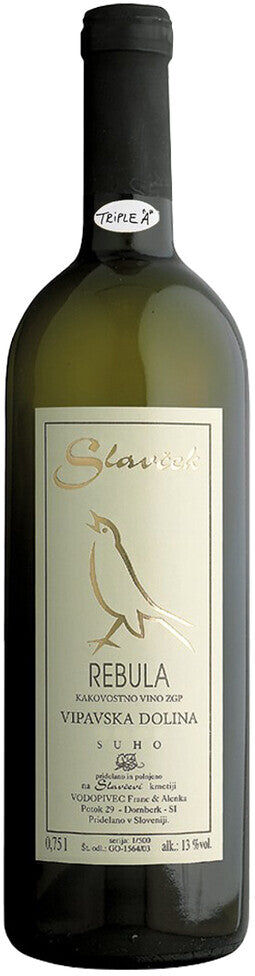
Ribolla Gialla Slavcek 2022This Ribolla of Slavcek was suggested during a wine tasting, where he racked up a number of positive comments among those present. After the tasting, we joined in the chorus: this Ribolla, born from an 8-days maceration on the skins, is a wine of great level. Between Friuli and Slovenia, white wines are a perfect combination of microclimate and productive mindset: thus bottles that do not fear the time and are put on the market a few years after the harvest. The wait is amply rewarded in the case of this Ribolla Slavcek, where the clear hints of ripe fruit and vibrant minerality give a perfect harmony on the palate. A macerated wine, rich and complex, enveloping and never get bored, supported by a freshness perfectly calibrated with the opulence. A great Ribolla.27,00 £*Shipping: 48,00 £Secure redirect to the provider
-
What is the fear of climate change in 2022?
The fear of climate change in 2022 is driven by the increasing frequency and intensity of extreme weather events, such as heatwaves, hurricanes, and wildfires, as well as the ongoing loss of biodiversity and rising sea levels. There is also concern about the potential for irreversible damage to ecosystems and the impact on food and water security. Additionally, there is growing anxiety about the social and economic disruptions that climate change may bring, particularly for vulnerable communities. Overall, the fear of climate change in 2022 is rooted in the urgent need for global action to mitigate its effects and adapt to the changes already underway. **
-
Why does the EU classify nuclear power and gas as sustainable and climate-friendly?
The EU classifies nuclear power and gas as sustainable and climate-friendly because they are considered low-carbon energy sources. Nuclear power does not produce greenhouse gas emissions during electricity generation, and gas emits less carbon dioxide compared to coal when burned for energy. Additionally, the EU sees these energy sources as important for transitioning away from more carbon-intensive fuels and reducing overall greenhouse gas emissions. However, there is ongoing debate and controversy surrounding the sustainability and safety of nuclear power, as well as concerns about methane emissions from gas production and transportation. **
-
Why don't eco-friendly women shave?
Eco-friendly women may choose not to shave for a variety of reasons related to sustainability and environmental impact. Shaving requires the use of disposable razors, which contribute to plastic waste in landfills. Additionally, the production and transportation of shaving products can have a significant carbon footprint. By opting not to shave, eco-friendly women can reduce their personal contribution to waste and carbon emissions, aligning with their values of environmental conservation. **
-
Which eco-friendly diapers are the best?
The best eco-friendly diapers are those that are made from sustainable materials such as bamboo, organic cotton, or plant-based fibers. Brands like Bambo Nature, Eco by Naty, and Seventh Generation are popular choices for their commitment to using environmentally friendly materials and reducing their carbon footprint. It's important to look for diapers that are free from harmful chemicals, dyes, and fragrances to ensure they are safe for both your baby and the environment. Ultimately, the best eco-friendly diaper will depend on your personal preferences and values, so it's worth trying a few different brands to see which one works best for you and your baby. **
* All prices are inclusive of VAT and, if applicable, plus shipping costs. The offer information is based on the details provided by the respective shop and is updated through automated processes. Real-time updates do not occur, so deviations can occur in individual cases. ** Note: Parts of this content were created by AI.