Buy torf.eu ?
We are moving the project
torf.eu .
Are you interested in purchasing the domain
torf.eu ?
domain@kv-gmbh.de · 0541-91531010
Buy torf.eu ?
What is the difference between organic and eco-friendly products?
Organic products are made from ingredients that are grown without the use of synthetic pesticides, herbicides, or fertilizers, and are often certified by a regulatory body. Eco-friendly products, on the other hand, are designed to have minimal impact on the environment throughout their entire lifecycle, from production to disposal. While organic products focus on the natural ingredients used, eco-friendly products consider the overall environmental impact of the product. In essence, organic products focus on the ingredients, while eco-friendly products focus on the entire product lifecycle. **
How is peat soil used?
Peat soil is used in gardening and agriculture as a soil amendment to improve soil structure and water retention. It is also used as a growing medium for starting seeds and rooting cuttings due to its ability to hold moisture and provide a stable environment for plant roots. Additionally, peat soil is used as a fuel source in some regions, particularly in areas where other sources of fuel are scarce. However, the use of peat as a fuel source is controversial due to its impact on the environment and carbon emissions. **


Similar search terms for Leave-in
Top-Angebote
Products related to Leave-in:
-
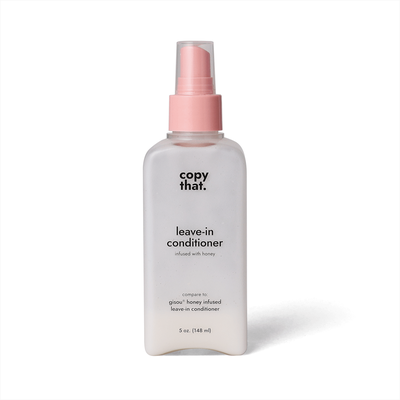
2140 Copy That Leave-In Conditioner Compare to Gisou® Honey Infused Leave-In ConditionerInfused with nourishing honey, this weightless leave-in conditioner helps soften, smooth and protect strands from everyday damage. Compare to Gisou Honey Infused Leave-in Conditioner and save.Use it on damp hair for effortless detangling and prep...20,00 $*Shipping: 0,00 $Secure redirect to the provider
-
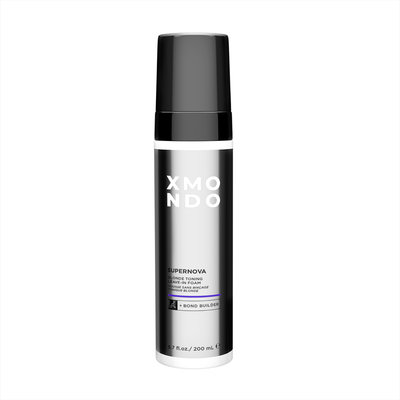
XMONDO Blonde Toning Leave-In FoamA blonde-toning foam designed with a unique super blend of pigments to reduce unwanted yellow tones on blonde or highlighted hair. Infused with Bond Booster and Jojoba Oil to promote stronger, healthier looking strands.28,99 $*Shipping: 0,00 $Secure redirect to the provider

-
Is organic sustainable?
Organic farming practices can be more sustainable than conventional methods in terms of reducing chemical inputs, promoting biodiversity, and improving soil health. However, there are challenges to the scalability and efficiency of organic farming, which can impact its overall sustainability. For example, organic farming typically requires more land and labor to produce the same amount of food as conventional methods, which can limit its ability to meet global food demand. Additionally, the transportation and distribution of organic products can have a higher environmental impact due to their shorter shelf life and the need for refrigeration. Overall, while organic farming has many sustainable benefits, there are also limitations to its long-term sustainability on a large scale. **
-
How long can you leave potting soil in the packaging?
Potting soil can be left in its original packaging for an extended period of time, as long as it is stored in a cool, dry place. It is best to use the potting soil within a year of purchase to ensure its quality and effectiveness. If the potting soil has been stored for a long time, it is a good idea to check for any signs of mold, pests, or a foul odor before using it for planting. Overall, proper storage and regular inspection can help extend the shelf life of potting soil in its packaging. **
-
Why not just leave the climate stickers in place?
Removing the climate stickers allows for a fresh start and a new perspective on addressing climate change. By updating the stickers with more accurate and relevant information, we can better educate and inform the public about the current state of the climate crisis. Additionally, leaving the same outdated stickers in place may lead to misinformation and complacency, hindering efforts to combat climate change effectively. **
-
What is the difference between potting soil, peat soil, vegetable soil, and grave soil?
Potting soil is a general-purpose soil mix that is suitable for growing a wide variety of plants in containers. It is typically a blend of organic materials such as peat moss, compost, and perlite or vermiculite for drainage. Peat soil, on the other hand, is made primarily of decomposed sphagnum moss and is often used to improve soil structure and water retention in garden beds. Vegetable soil is specifically formulated for growing vegetables and typically contains a balanced mix of nutrients and organic matter to support healthy vegetable growth. Grave soil, also known as topsoil, is a general-purpose soil used for filling in garden beds, leveling the ground, or creating new planting areas. It is typically a mix of sand, silt, and clay with added organic matter. **

Why is eco-friendly so successful in Germany?
Eco-friendly products and practices are successful in Germany due to a combination of factors. Firstly, there is a strong cultural emphasis on environmental consciousness and sustainability in Germany, which has led to widespread support for eco-friendly initiatives. Additionally, the German government has implemented policies and incentives to promote eco-friendly practices, such as subsidies for renewable energy and strict regulations on waste management. Furthermore, German consumers are increasingly aware of the environmental impact of their choices and are willing to pay a premium for eco-friendly products, driving demand for sustainable options in the market. **
Why does the EU classify nuclear power and gas as sustainable and climate-friendly?
The EU classifies nuclear power and gas as sustainable and climate-friendly because they are considered low-carbon energy sources. Nuclear power does not produce greenhouse gas emissions during electricity generation, and gas emits less carbon dioxide compared to coal when burned for energy. Additionally, the EU sees these energy sources as important for transitioning away from more carbon-intensive fuels and reducing overall greenhouse gas emissions. However, there is ongoing debate and controversy surrounding the sustainability and safety of nuclear power, as well as concerns about methane emissions from gas production and transportation. **
Top-Angebote
Products related to Leave-in:
-
Ouidad Advanced Climate Control® All-in-1 Leave-In ConditionerOur Advanced Climate Control® All-In-1 Leave-In Conditioner is a lightweight, silicone-free conditioning spray that effortlessly removes tangles, primes curls for heat styling, and helps fight frizz in any climate. With powerful heat protection up...25,99 $*Shipping: 0,00 $Secure redirect to the provider
-
Olaplex Nº 5 Leave-In Moisturize and Mend Leave-In Conditioner Split EndsA conditioner. Transform your hair with Nº 5 Leave-In Moisturize and Mend Leave-In Conditioner — instantly hydrate, repair, and protect for visibly healthier, softer locks. Provides intense hydration, softness, and detangling. Seals up to 88% of split ends after just one use. Reduces breakage by 81% and protects against heat up to 450°F/232°C.34,68 £*Shipping: 9,79 £Secure redirect to the provider
-
2140 Copy That Leave-In Conditioner Compare to Gisou® Honey Infused Leave-In ConditionerInfused with nourishing honey, this weightless leave-in conditioner helps soften, smooth and protect strands from everyday damage. Compare to Gisou Honey Infused Leave-in Conditioner and save.Use it on damp hair for effortless detangling and prep...20,00 $*Shipping: 0,00 $Secure redirect to the provider
-
XMONDO Blonde Toning Leave-In FoamA blonde-toning foam designed with a unique super blend of pigments to reduce unwanted yellow tones on blonde or highlighted hair. Infused with Bond Booster and Jojoba Oil to promote stronger, healthier looking strands.28,99 $*Shipping: 0,00 $Secure redirect to the provider
-
What is the difference between organic and eco-friendly products?
Organic products are made from ingredients that are grown without the use of synthetic pesticides, herbicides, or fertilizers, and are often certified by a regulatory body. Eco-friendly products, on the other hand, are designed to have minimal impact on the environment throughout their entire lifecycle, from production to disposal. While organic products focus on the natural ingredients used, eco-friendly products consider the overall environmental impact of the product. In essence, organic products focus on the ingredients, while eco-friendly products focus on the entire product lifecycle. **
-
How is peat soil used?
Peat soil is used in gardening and agriculture as a soil amendment to improve soil structure and water retention. It is also used as a growing medium for starting seeds and rooting cuttings due to its ability to hold moisture and provide a stable environment for plant roots. Additionally, peat soil is used as a fuel source in some regions, particularly in areas where other sources of fuel are scarce. However, the use of peat as a fuel source is controversial due to its impact on the environment and carbon emissions. **
-
Is organic sustainable?
Organic farming practices can be more sustainable than conventional methods in terms of reducing chemical inputs, promoting biodiversity, and improving soil health. However, there are challenges to the scalability and efficiency of organic farming, which can impact its overall sustainability. For example, organic farming typically requires more land and labor to produce the same amount of food as conventional methods, which can limit its ability to meet global food demand. Additionally, the transportation and distribution of organic products can have a higher environmental impact due to their shorter shelf life and the need for refrigeration. Overall, while organic farming has many sustainable benefits, there are also limitations to its long-term sustainability on a large scale. **
-
How long can you leave potting soil in the packaging?
Potting soil can be left in its original packaging for an extended period of time, as long as it is stored in a cool, dry place. It is best to use the potting soil within a year of purchase to ensure its quality and effectiveness. If the potting soil has been stored for a long time, it is a good idea to check for any signs of mold, pests, or a foul odor before using it for planting. Overall, proper storage and regular inspection can help extend the shelf life of potting soil in its packaging. **
Similar search terms for Leave-in
-
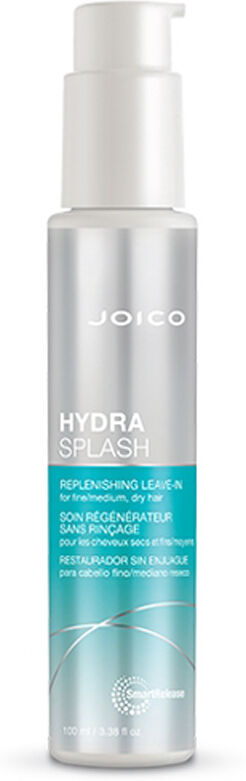
JOICO HydraSplash Replenishing Leave-In 100mlA highly hydrating, replenishing leave-in which delivers a powerful dose of nourishment, effectively banishing frizz and softening dry, thirsty hair. Instant, visible results that last - you'll notice the difference. Perfect for using before a blow-dry. Key Benefits: Boosts hair softness and shine Reduces frizz Doesn't weigh hair down Formulated with: Coconut Water - a natural moisturiser rich in Vitamins A, C, and E, plus a great source of electrolytes helps to quench dry hair while leaving it feeling light, healthy and bouncy. Sea Kelp - packed-full of vitamins and minerals to provide targeted moisture and vital nutrients for healthier-looking hair. SmartRelease Technology - a unique liposome delivery system which continuously releases rosehip oil, arginine, and keratin to help repair, protect and strengthen hair. Ingredients Water/Aqua/Eau, Dimethicone, Cetearyl Alcohol, Phenoxyethanol, Simmondsia Chinensis (Jojoba) Seed Oil, Carthamus Tinctorius (Safflower) Seed Oil, Crambe Abyssinica Seed Oil Phytosterol Esters, Cocos Nucifera (Coconut) Liquid Endosperm, Chlorella Vulgaris Extract, Hydrolyzed Algin, Arginine Hcl, Rosa Canina Fruit Oil, Sea Water/Maris Aqua/Eau De Mer, Laurdimonium Hydroxypropyl Hydrolyzed Keratin, Phosphatidylcholine, Behentrimonium Chloride, Glyceryl Stearate Se, Polyquaternium-37, Dicaprylyl Carbonate, Isopropyl Alcohol, Sodium Gluconate, Glyceryl Laurate, Lauryl Glucoside, Sodium Benzoate, Potassium Sorbate, Citric Acid, Linalool, Limonene, Fragrance/Parfum. Gorgeous Shop17,82 £*Shipping: 2,95 £Secure redirect to the provider
-
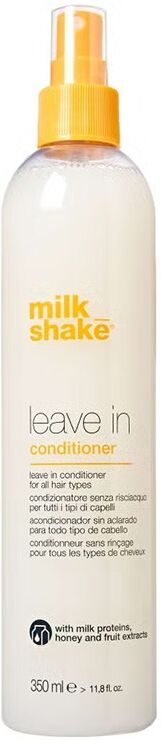
It's a 10 Miracle Leave-in LiteWant the power of our classic Miracle Leave-In Product without all the heaviness? Miracle Leave-In Lite is just the answer. This unique, ultra-light formula is designed for those with fine or short hair and uses some of the lightest, yet most...21,99 $*Shipping: 0,00 $Secure redirect to the provider
-
Why not just leave the climate stickers in place?
Removing the climate stickers allows for a fresh start and a new perspective on addressing climate change. By updating the stickers with more accurate and relevant information, we can better educate and inform the public about the current state of the climate crisis. Additionally, leaving the same outdated stickers in place may lead to misinformation and complacency, hindering efforts to combat climate change effectively. **
-
What is the difference between potting soil, peat soil, vegetable soil, and grave soil?
Potting soil is a general-purpose soil mix that is suitable for growing a wide variety of plants in containers. It is typically a blend of organic materials such as peat moss, compost, and perlite or vermiculite for drainage. Peat soil, on the other hand, is made primarily of decomposed sphagnum moss and is often used to improve soil structure and water retention in garden beds. Vegetable soil is specifically formulated for growing vegetables and typically contains a balanced mix of nutrients and organic matter to support healthy vegetable growth. Grave soil, also known as topsoil, is a general-purpose soil used for filling in garden beds, leveling the ground, or creating new planting areas. It is typically a mix of sand, silt, and clay with added organic matter. **
-
Why is eco-friendly so successful in Germany?
Eco-friendly products and practices are successful in Germany due to a combination of factors. Firstly, there is a strong cultural emphasis on environmental consciousness and sustainability in Germany, which has led to widespread support for eco-friendly initiatives. Additionally, the German government has implemented policies and incentives to promote eco-friendly practices, such as subsidies for renewable energy and strict regulations on waste management. Furthermore, German consumers are increasingly aware of the environmental impact of their choices and are willing to pay a premium for eco-friendly products, driving demand for sustainable options in the market. **
-
Why does the EU classify nuclear power and gas as sustainable and climate-friendly?
The EU classifies nuclear power and gas as sustainable and climate-friendly because they are considered low-carbon energy sources. Nuclear power does not produce greenhouse gas emissions during electricity generation, and gas emits less carbon dioxide compared to coal when burned for energy. Additionally, the EU sees these energy sources as important for transitioning away from more carbon-intensive fuels and reducing overall greenhouse gas emissions. However, there is ongoing debate and controversy surrounding the sustainability and safety of nuclear power, as well as concerns about methane emissions from gas production and transportation. **
* All prices are inclusive of VAT and, if applicable, plus shipping costs. The offer information is based on the details provided by the respective shop and is updated through automated processes. Real-time updates do not occur, so deviations can occur in individual cases. ** Note: Parts of this content were created by AI.